Infrastructure to Investment: How the Delhi-Dehradun Expressway is Redefining Real Estate Opportunities
Apr 14, 2026
NewsVoir
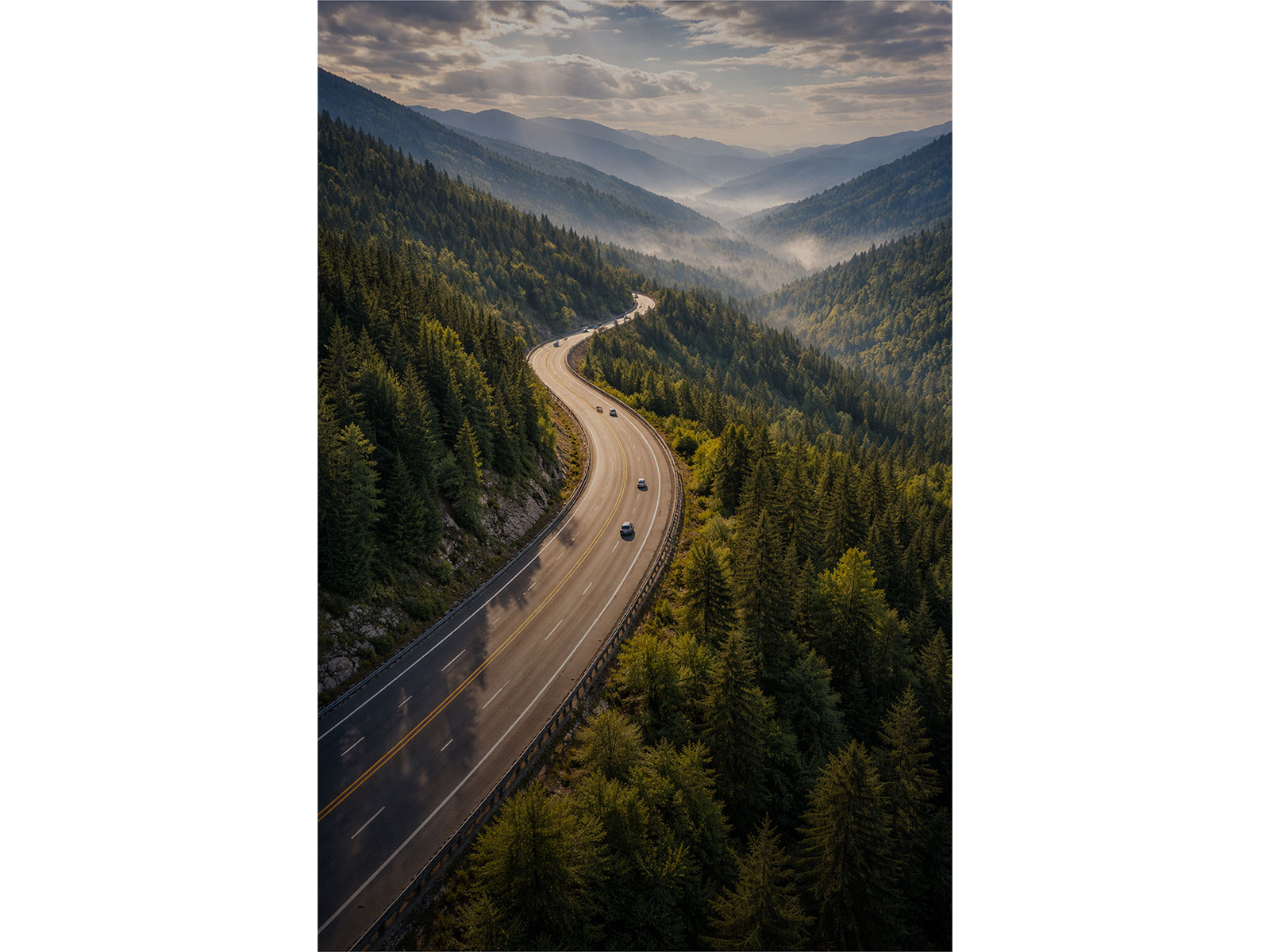
Dehradun (Uttarakhand) [India], April 14: Infrastructure in NCR has never merely connected locations; it has consistently reshaped real estate trajectories. Big ticket developments like the Delhi-Dehradun Expressway are beginning to do the same, but with a more distinct shift in direction. As improved connectivity brings Dehradun within closer reach, the conversation is moving toward where and how people choose to live, and which projects are best placed to respond to that shift.
With travel time set to reduce from nearly 6-7 hours to approximately 2.5 hours, Dehradun is no longer positioned as a distant retreat. Instead, it is rapidly transitioning into a viable residential extension of NCR. This structural shift is influencing not just accessibility, but also buyer intent, moving from occasional visits to more sustained and frequent usage of homes in the region.
Moreover, this evolving demand dynamic is already beginning to reflect in market indicators. A Magicbricks report highlighted that housing demand across hill destinations grew by 8.2% year-on-year during July-September 2025. Within this, Dehradun recorded one of the sharpest price appreciations at 30.9%, underscoring renewed interest in premium second-home and lifestyle-driven residential markets.
However, the opportunity along this corridor is not uniform. As with any emerging market, value creation is concentrated in projects that are thoughtfully positioned where location, planning, and product differentiation align with evolving buyer expectations.
It is within this context that developments like Excentia Tatva begin to stand out. Located on Rajpur Road, arguably one of Dehradun's most established and premium residential corridors, Excentia Tatva responds directly to this shift in demand. Unlike high-density developments that rely on scale, the project adopts a consciously low-density approach, catering to a segment where exclusivity, space, and long-term liveability are key decision drivers.
What distinguishes the development in the current market is not just its location, but how it translates infrastructure-led growth into tangible living value. As connectivity improves, buyers are no longer evaluating second homes purely as investment assets; they are increasingly seeking environments that can function as true extensions of their primary residence.
Excentia Tatva aligns closely with this evolving preference. Its planning integrates natural and cultural context into the living experience, anchored around a preserved 200-year-old tree courtyard and situated in proximity to spiritual landmarks such as Maa Anandmayee Ashram and Shri Aurobindo Ashram. This contextual integration adds a layer of depth that goes beyond conventional residential offerings.
At the same time, the project reflects a growing emphasis on sustainability and long-term liveability. As one of the early IGBC pre-certified gold-rated residential developments in Dehradun, it incorporates design principles focused on natural light, ventilation, and open green spaces; factors that are increasingly central to buyer decision-making, especially in low AQI environments.
Besides, today, buyers are not looking for standalone apartments, but for self-sustained ecosystems that can support extended stays. Excentia Tatva's ecosystem of amenities, from a five-star clubhouse and rooftop terraces to an infinity pool and wellness-focused facilities, positions itself as a more self-contained residential environment. In a market that is transitioning from tourism-led to residential-led demand, such features become critical in sustaining both user interest and investment value.
"The opportunity along the Delhi-Dehradun corridor is not just about improved access; it is about how certain projects are positioned to benefit from that shift. In a market that is still in a phase of value discovery, developments that are differentiated by design, density, and location are better placed to create long-term value. Excentia Tatva reflects this approach by focusing on a segment where supply remains limited, but demand is becoming increasingly defined," said Manit Sethi, Director, Excentia Tatva.
A growing segment of NCR-based professionals and entrepreneurs is now actively seeking alternatives to high-density urban living--prioritising space, privacy, and a stronger connection to nature, without compromising on quality and convenience. Excentia Tatva's low-density planning and its location within an established, well-connected micro-market allow it to directly cater to this demand. As a result, it is increasingly being viewed not just as a second-home investment, but as a flexible residential option that can adapt to changing lifestyle needs.
"What we are witnessing is a structural shift in how second homes are perceived. They are no longer occasional-use assets, but extensions of everyday living. Projects that can deliver both experiential value and functional liveability are far better positioned to see sustained demand. The focus is clearly moving toward environments that offer cleaner air, lower density, and a more balanced way of living," added Aniket Sethi, Director, Excentia Tatva.
As the Delhi-Dehradun Expressway continues to enhance regional connectivity, its real impact will unfold through the performance of projects that are able to translate this advantage into long-term value. While the broader market will benefit from improved access, it is developments with strong fundamentals that are likely to lead this next phase of growth. Amidst this, Excentia Tatva represents how infrastructure-led transformation is beginning to shape not just where people invest, but how they choose to live.
(ADVERTORIAL DISCLAIMER: The above press release has been provided by NewsVoir. ANI will not be responsible in any way for the content of the same.)