RGCON 2026 highlights advances in Neuro-Oncology as India faces a sharply increasing cancer burden
Mar 17, 2026
VMPL
New Delhi [India], March 17: RGCIRC (Rajiv Gandhi Cancer Institute & Research Centre) has successfully concluded its 24th Annual International Conference - RGCON 2026, held from 13th to 15th March 2026 in New Delhi. The three-day scientific event which witnessed participation from more than 2,000 delegates, focused on advances in neuro-oncology and multidisciplinary cancer management, bringing together neurosurgeons, oncologists, neuroscientists, and researchers from across the world to exchange knowledge, share clinical insights, and explore emerging treatment strategies.
The conference was organised against the backdrop of a growing cancer burden in India. According to global cancer estimates, over 1.4 million new cancer cases are diagnosed in the country every year, highlighting the need for continued collaboration and innovation in cancer care. While cancers of the brain and central nervous system account for around 3% of all cancers in India, they remain among the most complex to diagnose and treat due to their impact on critical neurological functions.
The theme of RGCON 2026 was "Neuro-Oncology (Brain and Spine Tumors): Innovations in Multi-Disciplinary Cancer Management." The sessions covered a wide range of topics, including advances in neurosurgical techniques, imaging technologies, precision radiotherapy, and emerging treatment protocols. The conference also featured six specialised workshops: Neuro Onco Surgery, Neuro Monitoring, Neuro Radiation Oncology, Paediatric Neuro Oncology, Neuro Radiology, and Neuro Pathology. These workshops focused on practical skill development, from surgical techniques and diagnostic approaches to treatment planning for complex brain and spine tumours.
Traditionally, such conferences included live surgery demonstrations where surgeons operated while the audience observed and interacted remotely. While educational, this format limited participants to observation. To bridge this gap, RGCON 2026 adopted a hands-on workshop format, allowing young neurosurgeons to directly work with advanced surgical technologies and adjuncts that are critical for improving outcomes in brain tumour surgery.
Dr. (Prof.) I. C. Premsagar, Chief, Neuro & Spine Oncology Services at RGCIRC and Organising Chairman of RGCON 2026, described the conference as an important platform for strengthening clinical expertise and collaboration. "Although brain and central nervous system tumours represent a smaller proportion of cancers, they remain among the most challenging to treat. Globally, more than 3,22,000 new cases of brain and CNS tumours are diagnosed every year, and managing these tumours requires a highly specialised, multidisciplinary approach. Platforms such as RGCON are essential because they allow experts to exchange experience, refine surgical techniques, and collectively improve the way we treat these complex cancers."
Dr. Sudhir Rawal, Medical Director and Chief of GenitoUro - Oncology Services, RGCIRC, highlighted the broader significance of multidisciplinary scientific forums in advancing cancer care. "Cancer management today is increasingly dependent on precision, innovation, and collaborative expertise across specialties. While neuro-oncology represents a highly specialised domain, the principles of multidisciplinary care, technological integration, and evidence-driven treatment are central to improving outcomes across all cancer types. Conferences such as RGCON are vital in enabling clinicians to stay abreast of global advancements, refine surgical and therapeutic approaches, and translate research insights into better patient-centred care."
Through initiatives such as RGCON, RGCIRC continues to reinforce its commitment to advancing the landscape of oncology in India and beyond. Speaking on the occasion, Mr. Ashok Kumar Agarwal, Chairman, RGCIRC, highlighted the importance of academic collaboration in addressing the growing cancer burden.
"India is witnessing a steady rise in cancer incidence, with more than 1.4 million new cancer cases reported annually. As the number of complex cancers grows, specialised areas such as neuro-oncology demand greater collaboration between institutions and experts. Conferences such as RGCON create an environment where clinicians and researchers can share knowledge, discuss emerging technologies, and strengthen partnerships that ultimately benefit patients."
Mr. D S Negi, CEO, RGCIRC, emphasised the importance of multidisciplinary care in managing brain and spine tumours. "Brain and spinal tumours require coordinated care from multiple specialists, including neurosurgeons, radiation oncologists, medical oncologists, neuroradiologists, and pathologists. According to global projections, over 33,500 deaths from brain and central nervous system cancers are expected in India by 2030, underscoring the need for continuous advancements in diagnosis, treatment, and collaborative clinical practice."
Over the years, RGCON has established itself as one of India's leading academic oncology conferences, providing a platform for specialists from diverse disciplines to discuss clinical challenges, research developments, and emerging treatment approaches.
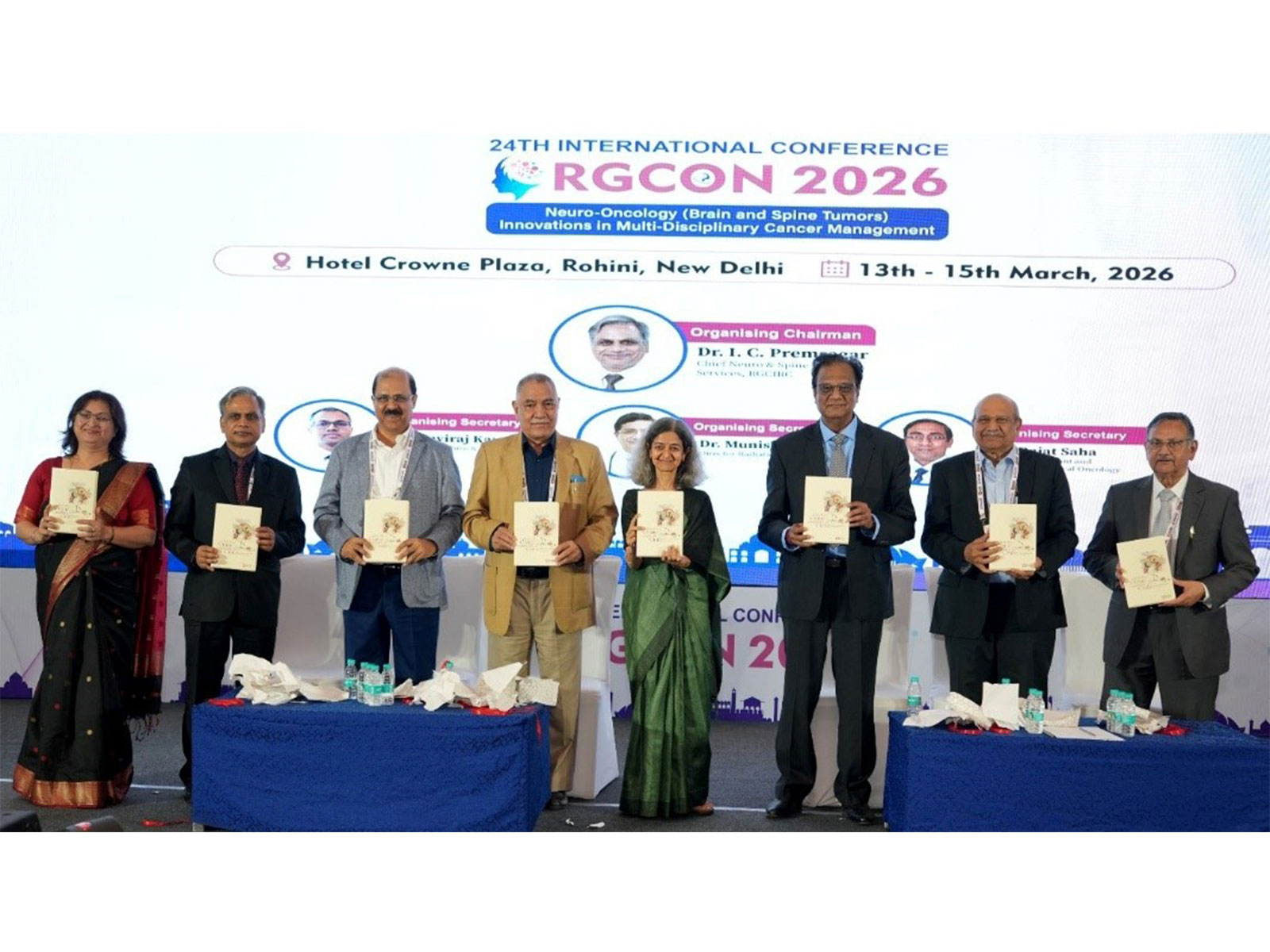
The conference also marked a significant institutional milestone with the launch of the biography of RGCIRC titled "How the Crane Caught the Crab", authored by Ms. Bhavana Pankaj. The book chronicles the journey, vision, and evolution of the institute as one of India's leading specialised cancer care centres. The launch, held during the inaugural ceremony, reflected the organisation's continued commitment not only to clinical excellence and research but also to documenting and sharing its legacy of innovation, patient care, and academic leadership.
The successful conclusion of RGCON 2026 further strengthens RGCIRC's role as a centre for academic exchange and multidisciplinary collaboration in oncology. By bringing together global experts, clinicians, and researchers, the conference continues to foster dialogue that advances clinical practice, encourages innovation, and supports the development of more integrated approaches to cancer care. As neuro-oncology continues to evolve, platforms such as RGCON remain essential for translating scientific progress into meaningful improvements in patient outcomes.
(ADVERTORIAL DISCLAIMER: The above press release has been provided by VMPL. ANI will not be responsible in any way for the content of the same.)