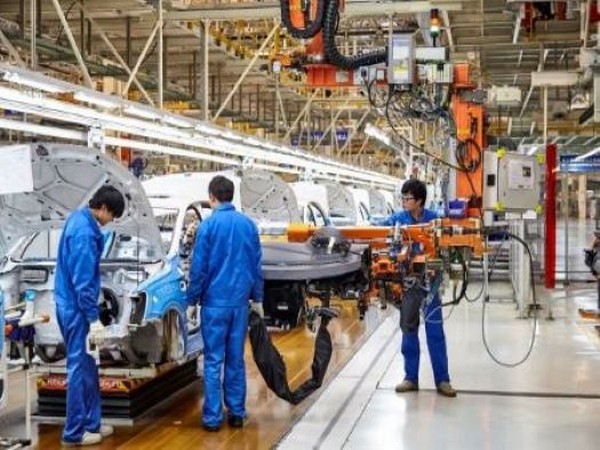
The US will reduce tariffs on imported cars
Apr 30, 2025
Washington [US], April 30: The administration of US President Donald Trump plans to reduce some tariffs on imported auto parts and prevent tax duplication on foreign-made vehicles, in order to reduce the negative impact of tax policies on the domestic auto industry.
"President Trump is building important partnerships with both domestic automakers and great American workers," Reuters quoted U.S. Commerce Secretary Howard Lutnick as saying on April 29, adding: "This agreement is a major victory for President Trump's trade policy. because it encourages companies to manufacture in the United States, and at the same time creates conditions for manufacturers to commit to investing in the United States and expanding domestic production."
According to The Wall Street Journal, the move means that automakers that have already paid car import taxes will not have to pay other taxes, such as aluminum and steel taxes. If they have already paid these taxes, they will be refunded. Reuters quoted a White House official as confirming that the official announcement would be made on April 29.
On April 28, automakers expected President Trump to announce the policy ahead of his visit to Michigan, which is home to three major automakers and more than 1,000 U.S. parts suppliers. A 25% import tariff on cars and light trucks entering the U.S. took effect earlier this month. Meanwhile, aluminum and steel taxes have been imposed since March. Trump has previously announced plans to impose a 25 percent tariff on auto parts, no later than May 3.
Source: Thanh Nien Newspaper