What Good Discipline Feels Like From a Child's Perspective: Why Schools in Yavatmal Should Focus on Guidance Over Fear?
Jun 25, 2026
VMPL
New Delhi [India], June 25: Discipline is often seen as a set of rules that children must follow. But from a child's point of view, good discipline feels different. It feels safe, fair, clear, and respectful. It helps children understand their actions, not fear the consequences.
As schools in Yavatmal continue to focus on academic and personal development, education experts believe that discipline should be built through guidance rather than fear. A fear-based approach may create silence in the classroom. But it does not always create understanding. Children may obey rules for the moment, but they may not learn why those rules matter.
Good discipline begins when children understand the purpose behind expectations. A child should know why punctuality matters. They should understand why listening is important. They should see how kindness, honesty, and responsibility help them build better relationships. When discipline is explained in this way, it becomes a life skill.
An academic counsellor from Yavatmal said, "Children respond better when discipline is connected to understanding. Fear may stop a behaviour temporarily, but guidance helps children reflect. The goal should not be to make children afraid of mistakes. The goal should be to help them learn from those mistakes."
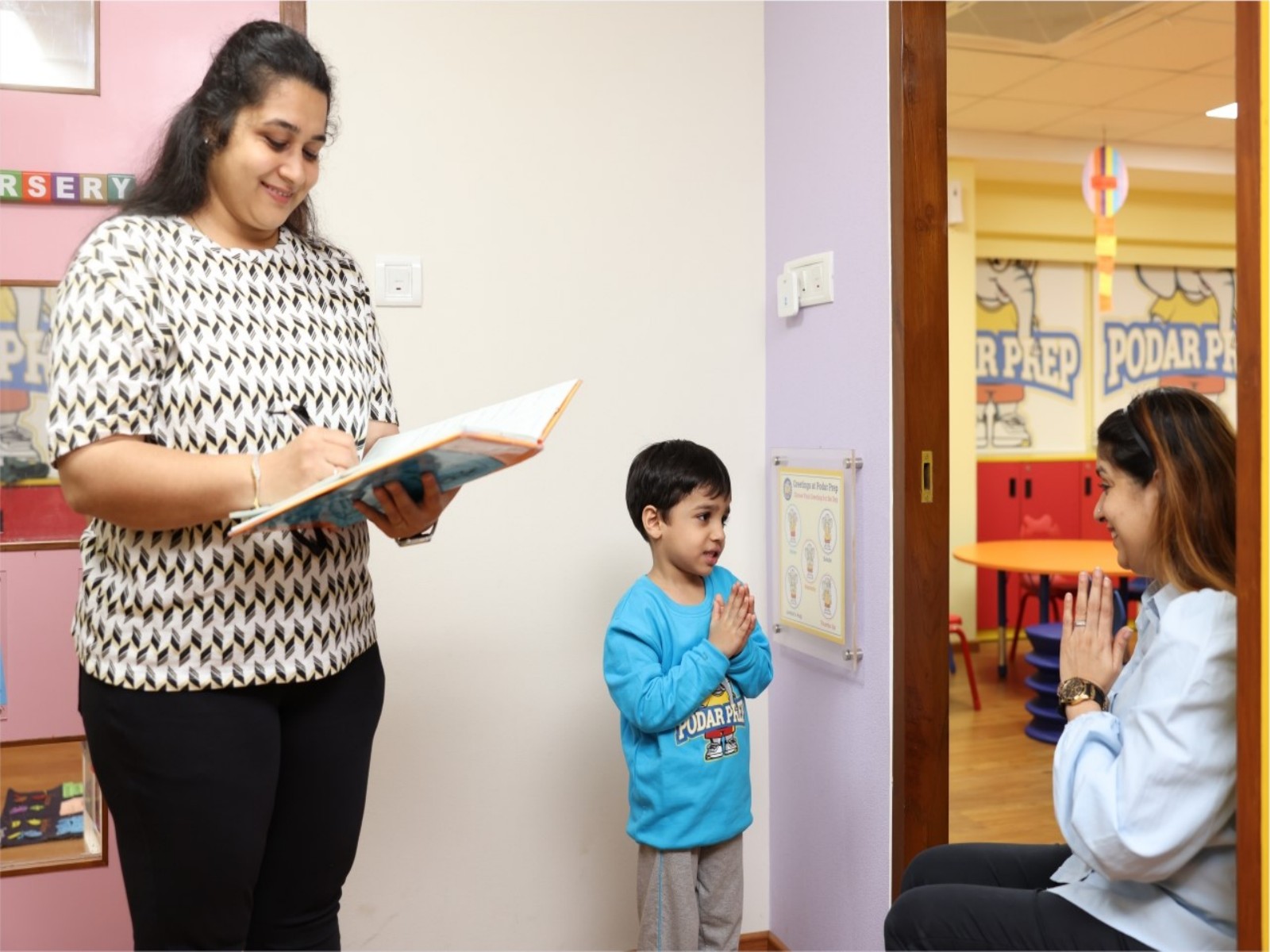
From a child's perspective, good discipline does not feel like constant correction. It feels like support. It gives them boundaries, but also gives them a chance to improve. It helps them feel that teachers are guiding them, not waiting for them to fail.
A middle-school student from Yavatmal shared, "When a teacher explains why something is wrong, it is easier to understand. If someone only scolds us, we feel scared. But if they tell us how to do better, we remember it."
This is why schools need to look at discipline as a process. It should include communication, consistency, patience, and emotional awareness. Children need clear rules. But they also need adults who model those rules. A student learns respect more easily when they are treated with respect.
Parents also play an important role. Discipline cannot be built only inside the classroom. If the school teaches patience, but the child experiences only anger at home, the message becomes confusing. Schools and parents must work together to create a consistent environment.
A parent from Yavatmal said, "Children need boundaries, but they also need to feel heard. At home, we have realised that shouting does not always help. Calm conversations take more time, but they help the child understand better."
Fear-based discipline can also affect a child's confidence. Children who are constantly afraid of being punished may stop asking questions. They may hide mistakes. They may avoid trying new things. This can affect both learning and emotional development.
Good discipline, on the other hand, helps children build self-control. It teaches them to pause, think, and make better choices. It also helps them take responsibility without feeling ashamed.
An academic counsellor added, "A disciplined child is not one who is silent all the time. A disciplined child is one who understands responsibility. Schools should help children develop inner discipline. That happens through trust, not fear."
Schools in Yavatmal can build this approach through small but meaningful practices. Teachers can explain rules clearly. They can give children chances to correct behaviour. They can use age-appropriate conversations. They can appreciate positive choices. They can also involve parents when repeated behavioural concerns appear.
Classroom routines also matter. Children feel secure when expectations are predictable. They should know what is allowed, what is not allowed, and what happens when rules are broken. The response should be firm, but not humiliating.
A student from Yavatmal said, "It helps when the teacher is strict but kind. Then we know the teacher wants us to improve. We do not feel scared to speak."
This balance is important. Discipline should not be confused with harshness. A school can be firm without being frightening. It can correct behaviour without hurting a child's self-worth. For parents looking for CBSE school admission in Yavatmal, it is important to choose a learning environment where discipline is built through guidance, consistency, and respect, rather than fear.
At Podar International School, Yavatmal, teachers believe that discipline works best when children understand its purpose. The focus on a child's perspective is important because discipline should not feel forced from the outside. Children should gradually understand it from within. They should see discipline as something that helps them grow, make better choices, and become more responsible, not as something that only controls them.
To know how Podar International School, Yavatmal, is helping children understand responsibility in a positive way. get in touch with their team :
Email Address : admissions@podar.org
Telephone No : 6366437897
(ADVERTORIAL DISCLAIMER: The above press release has been provided by VMPL. ANI will not be responsible in any way for the content of the same.)