Grip, Support, or Cushioning? What Matters Most in a Gym Shoe?
Sep 24, 2026
VMPL
New Delhi [India], September 24: A good gym shoe should almost disappear beneath you. Not because it matters less, but because it works quietly in the background, keeping you grounded through a heavy lift, composed through a change of direction, and responsive as the workout shifts from one movement to the next. The best footwear supports performance without demanding attention.
That is what makes choosing gym shoes more complicated than picking the pair with the softest midsole or the most impressive-looking sole.
Grip, support and cushioning all matter. The real question is which one matters most for the way you train.
Grip Is About Control, Not Just Traction
Grip tends to become noticeable at exactly the wrong moment: when you do not have enough of it.
A training session can involve squats, lunges, sled work, lateral movements, jumps, short sprints and exercises where the foot repeatedly changes direction. In each case, the outsole has a simple but important job—to maintain reliable contact with the floor.
Good traction gives the athlete confidence to push against the ground without feeling as though the shoe is moving independently underneath them. This becomes particularly relevant during movements involving acceleration, braking or changes of direction.
But maximum grip is not automatically the goal.
The ideal outsole depends on the environment. A gym floor, rubber training surface, artificial turf and outdoor pavement place different demands on footwear. The tread pattern, rubber compound and contact area all influence how a shoe interacts with the surface.
For general gym training, dependable traction is usually more valuable than an aggressive outsole designed for a very specific environment.
The point is not to find the shoe that grips the hardest. It is to find one that gives you predictable contact with the surface throughout the movements you actually perform.
Support Becomes Important When the Workout Gets Dynamic
Support is often misunderstood as simply making a shoe feel firm.
In practice, it is more nuanced.
When you lift, land, move laterally or transition quickly between exercises, your foot needs to remain appropriately connected to the shoe. A secure upper, stable heel and well-considered platform can all contribute to that feeling of control.
This is particularly important in training sessions that move in several directions.
Running is comparatively repetitive: the athlete generally moves forward through a repeated gait cycle. Gym training can be much less predictable. A single workout might involve a deadlift followed by a lateral drill, a jump, a lunge and a conditioning movement.
That is why a good gym shoe cannot be judged solely by how comfortable it feels while standing still.
A useful test is to pay attention to what happens when you move. Does your heel remain secure? Does the foot feel contained when you change direction? Does the shoe allow natural movement without feeling unstable?
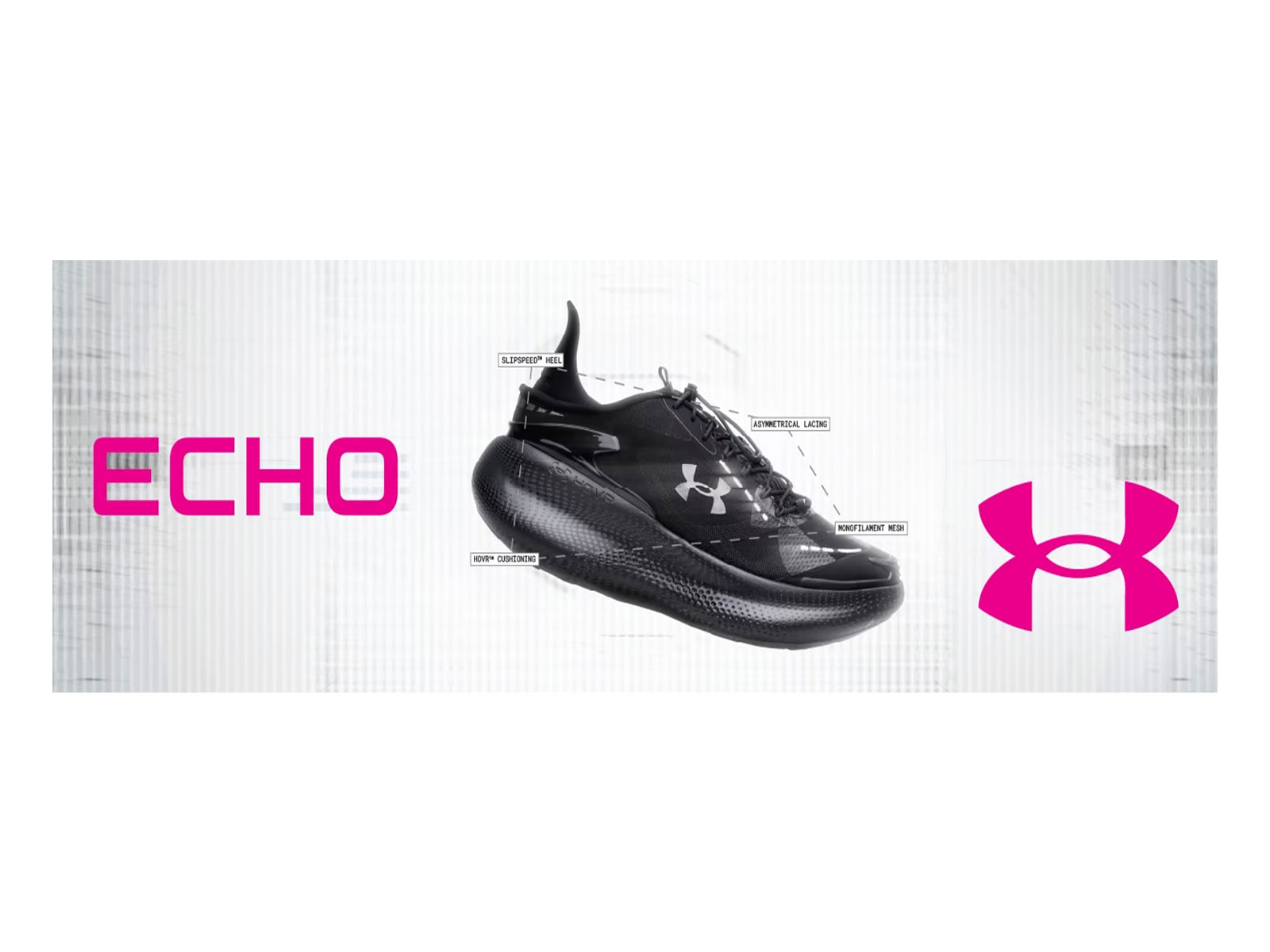
Under Armour's current training footwear, for example, reflects this broader approach by combining ground contact, stability, traction and responsiveness for different training demands. Its UA TriBase™ technology is used in selected training shoes to emphasise ground contact and movement during training.
The broader lesson is more important than the technology name: support should help you control movement, not restrict it.
Cushioning Should Match Your Training
Cushioning is probably the easiest feature to understand because you can feel it immediately.
A softer shoe can make repeated impact feel more comfortable, particularly during workouts that include running, jumping or high-volume conditioning. Cushioning can also influence how a shoe feels over a longer session when the athlete is spending a lot of time on their feet.
But gym training is not simply an impact-management exercise.
During heavy strength work, too much softness can change the sensation of being connected to the floor. Some athletes prefer a firmer, more stable platform for lifting, while others value additional cushioning because their workouts combine strength and conditioning.
That is why the most cushioned shoe is not necessarily the best gym shoe.
The more useful question is: how much cushioning does your training actually require?
A workout dominated by strength movements may prioritise stability and ground feel. A session combining lifting with jumps, short runs and conditioning may benefit from a more balanced approach.
Modern training footwear often tries to bridge that gap. Under Armour, for instance, describes its training range around a combination of cushioning, ground-contact feel, responsiveness, stability and traction rather than treating any one characteristic as sufficient on its own.
What Matters Most in a Gym Shoe?
If the answer were simply "grip," "support," or "cushioning," choosing gym shoes would be much easier.
Instead, the priority changes with the workout.
Training Demand – What Tends to Matter Most
* Heavy Strength Training: Stability, support and ground contact
* HIIT and Circuits: Grip, support and balanced cushioning
* Jumping and Conditioning: Cushioning, stability and traction
* Lateral Movement: Grip, support and secure fit
* Mixed Gym Sessions: A balanced combination of all three
* Short Cardio Sessions: Comfort, cushioning and flexibility
This does not mean athletes should buy a different shoe for every exercise.
It means the best all-around gym shoe is usually the one that avoids major weaknesses across the movements you perform most often.
A shoe with excellent cushioning but poor lateral stability may not feel right in a dynamic workout. One with excellent support but excessive rigidity may feel limiting during movements that require flexibility. A shoe with impressive grip but an uncomfortable fit will become a distraction regardless of how effective its outsole is.
Balance is the real performance characteristic.
Fit Is the Factor That Can Change Everything
There is another part of the equation that often receives less attention than cushioning or outsole technology: fit.
Even a well-designed training shoe cannot compensate for a poor fit.
The heel should feel secure without being painfully tight. The midfoot should feel contained rather than compressed. The forefoot should provide enough room for natural movement without allowing the foot to slide around inside the shoe.
This matters because the relationship between your foot and the shoe influences how the rest of the footwear performs.
A stable platform is less useful if your heel is lifting with every movement. Good traction is less meaningful if your foot shifts inside the upper. Comfortable cushioning cannot solve a shoe that simply does not match the shape of your foot.
Fit should therefore be assessed while moving, not just while standing in front of a mirror.
Try a squat. Walk. Make a controlled lateral step. If appropriate, perform the types of movements you expect to do during training.
The right shoe should feel secure without requiring constant attention.
The Gym Shoe Should Match the Workout, Not the Other Way Around
One of the most common mistakes in footwear selection is starting with the shoe and then trying to make it fit every activity.
The better approach starts with the training itself.
If most of your sessions involve lifting, stability and ground contact may deserve greater attention. If you combine weights with conditioning, you may want a more versatile design that balances support with cushioning and flexibility. If your gym routine includes substantial running, a running shoe may be more appropriate for those sessions than a traditional training shoe.
This distinction matters because running shoes and training shoes are designed around different movement patterns.
There is no contradiction in owning more than one pair.
For someone who trains frequently across different disciplines, having footwear suited to specific activities can make more sense than expecting one shoe to perform every role equally well.
The Real Answer: It Depends on How You Train
Grip, support and cushioning are not competing ideas. They solve different problems.
Grip helps you maintain contact with the surface. Support helps keep movement controlled. Cushioning helps manage the feel of repeated impact and can contribute to comfort during demanding sessions.
The balance between them is what matters.
For a strength-focused athlete, support and stability may come first. For someone mixing lifting with conditioning, a more even combination may be preferable. For workouts involving considerable jumping or running, cushioning can take on greater importance.
And underneath all three sits fit.
That is why the most useful way to think about gym shoes is not to ask which feature is "best." Ask which characteristics your training demands most—and whether the shoe delivers them without creating weaknesses somewhere else.
Good performance footwear does not need to call attention to itself. It simply gives the athlete a reliable connection between body, movement and ground.
FAQs
What should you look for in a gym shoe?
Look for a combination of secure fit, appropriate traction, stability, cushioning, flexibility and comfort. The priority should depend on the type of training you perform most often.
Is grip important in gym shoes?
Yes, particularly for exercises involving lifting, acceleration, braking or changes of direction.
Reliable traction helps maintain consistent contact with the training surface.
Is more cushioning better for gym workouts?
Not necessarily. Cushioning can be useful for impact-heavy and conditioning workouts, but strength-focused training may favour a firmer and more stable platform.
(ADVERTORIAL DISCLAIMER: The above press release has been provided by VMPL. ANI will not be responsible in any way for the content of the same.)